
 광고상담문의
The Development and Craftsmanship of Kitchen Cabinetry: An In-depth Re…
페이지 정보
작성자 HD 작성일25-12-06 20:51 (수정:25-12-06 20:51)관련링크
본문
Cabinetry, an essential component of interior decoration, has actually advanced substantially over centuries, reflecting changes in technology, products, and visual preferences. This study looks into the historical development, craftsmanship, and modern innovations in cabinetry, highlighting its function in both useful and attractive contexts.
Historically, cabinetry can be traced back to old civilizations, where it functioned as a practical option for storage. Early examples were simplified, crafted from available materials like wood, stone, and steel. The Egyptians, for circumstances, utilized wood upper bodies for storage space, commonly adorned with elaborate makings and inlays. As cultures advanced, so did the intricacy and creativity of cabinetry. The Center Ages saw the increase of the guild system in Europe, where knowledgeable artisans produced fancy pieces for the upper class, commonly including thorough carvings and embellishments.
The Renaissance duration noted a substantial juncture in kitchen cabinetry, with an enhanced emphasis on virtuosity and design. Closet manufacturers, or "joiners," as they were known, began to try out different styles, incorporating elements from classical art and style. This era brought to life legendary styles such as Baroque and Rococo, defined by elaborate details and luxurious products. The workmanship of this duration laid the structure for future innovations in kitchen cabinetry design.
The Industrial Revolution in the 18th and 19th centuries introduced equipment that changed cabinets manufacturing. Automation strategies enabled the extensive accessibility of cupboards, making them obtainable to the growing center class. In spite of this shift towards industrialization, the demand for handcrafted, custom kitchen cabinets San Diego cabinetry lingered, with craftsmens continuing to produce personalized pieces that showcased their ability and creative thinking.
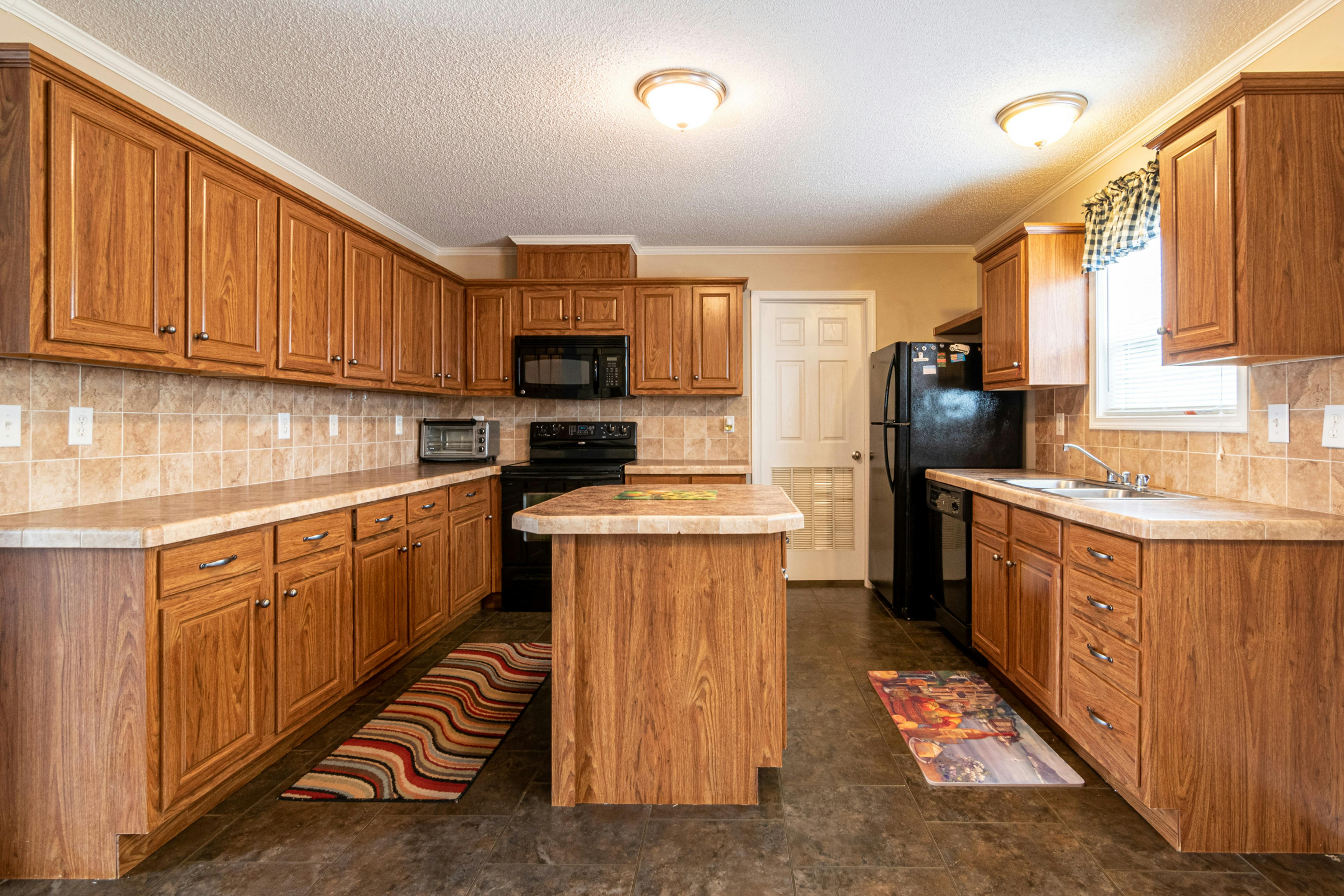
In the 20th century, kitchen cabinetry underwent more transformation with the introduction of innovation. This movement stressed simpleness, capability, and minimalism, leading to the growth of sleek, streamlined styles. Products such as plywood, plastics, and metal ended up being popular, reflecting the era's focus on advancement and performance. The Bauhaus movement, specifically, championed the assimilation of type and function, influencing cabinets style globally.
Today, cabinetry remains to advance, driven by advancements in innovation and changing consumer preferences. modern cabinet designs cabinets often includes wise modern technology, such as integrated illumination, automated systems, and environmentally lasting materials. The surge of electronic manufacture methods, like CNC machining and 3D printing, has actually made it possible for exact and complicated styles that were once unbelievable. In addition, there is a growing pattern towards personalization, with property owners looking for customized cabinets remedies that reflect their private style and demands.
In spite of these technological developments, the significance of kitchen cabinetry continues to be rooted in workmanship. Knowledgeable craftsmens continue to play an essential function in the market, mixing standard techniques with modern-day developments to produce items that are both practical and visually pleasing. The art of cabinetry is a testimony to human ingenuity and creative thinking, showcasing the capacity to adapt and evolve while keeping a connection to its historic origins.
To conclude, kitchen cabinetry is a vibrant area that has actually continuously adjusted to meet the requirements of culture. From its humble beginnings in ancient civilizations to the advanced styles these days, cabinets mirrors the intersection of art, modern technology, and performance. As we aim to the future, the difficulty will be to balance innovation with practice, guaranteeing that kitchen cabinetry remains an essential and treasured facet of interior decoration.
The Renaissance period noted a considerable turning factor in cabinetry, with an increased emphasis on creativity and layout. The Industrial Change in the 18th and 19th centuries introduced machinery that changed cabinets production. Today, cabinets proceeds to progress, driven by developments in innovation and altering customer choices. Modern cabinetry often includes clever modern technology, such as incorporated lights, automated systems, and eco lasting products. From its modest starts in old worlds to the advanced styles of today, kitchen cabinetry shows the junction of art, technology, and functionality.
In the event you loved this information and you would love to receive learn more info regarding frameless kitchen cabinets assure visit the internet site.
댓글목록
등록된 댓글이 없습니다.
