
 광고상담문의
The Art of Wayfinding in Integrated Communities
페이지 정보
작성자 XB 작성일25-12-04 22:38 (수정:25-12-04 22:38)관련링크
본문
Creating effective wayfinding systems in mixed-use environments demands careful consideration of practicality, visual appeal, and human interaction
They bring together living, working, shopping, and leisure spaces within a unified architectural framework
resulting in a dynamic space inhabited by residents, workers, shoppers, and visitors with varied objectives
Signage must guide everyone effectively without overwhelming them or clashing with the architectural character of the space
Above all, simplicity and clarity are non-negotiable
Visitors, residents, and employees may have varying levels of familiarity with the layout
Effective signs rely on clear wording, unified fonts, and universally recognized icons to lead users to critical destinations such as entry points, lifts, garages, bathrooms, and exits
Avoid jargon or overly creative naming that might confuse someone in a hurry
Place signs strategically at crossroads, elevator banks, and main thoroughfares to preempt confusion
Second, the visual identity of the development must be cohesive
Tenant identities should complement—not compete with—the development’s core visual identity
It must unify tone, typography, texture, and mounting elevation across all components
A cohesive look builds credibility and emotional connection, defining the place as intentional and well-managed
For example, if the architecture is modern and minimalist, signage should follow suit with clean lines and subtle lighting rather than flashy neon
Third, consider accessibility
All signage must meet federal accessibility standards, featuring high-contrast text, raised lettering, and braille for accessibility
Height and placement matter too—signs should be readable from multiple angles and distances, especially for singapore 3d signages people in wheelchairs or those with limited mobility
Proper lighting ensures signs remain legible after dark and enhances security
Digital elements should augment, not dominate, the physical environment
Digital signs can provide real time updates on events, parking availability, or tenant promotions
Always retain static signs as the primary navigation tool
Excessive screens fragment attention and reduce clarity
Deploy digital signage only at high-traffic nodes such as entrances, transit stops, or concourses
Wayfinding shapes how people feel about a place
Effective signage transforms functional markers into inviting experiences
Incorporating design details like murals, planters, or subtle branding turns signs into landmarks
Users recall the ambiance, not just the directions
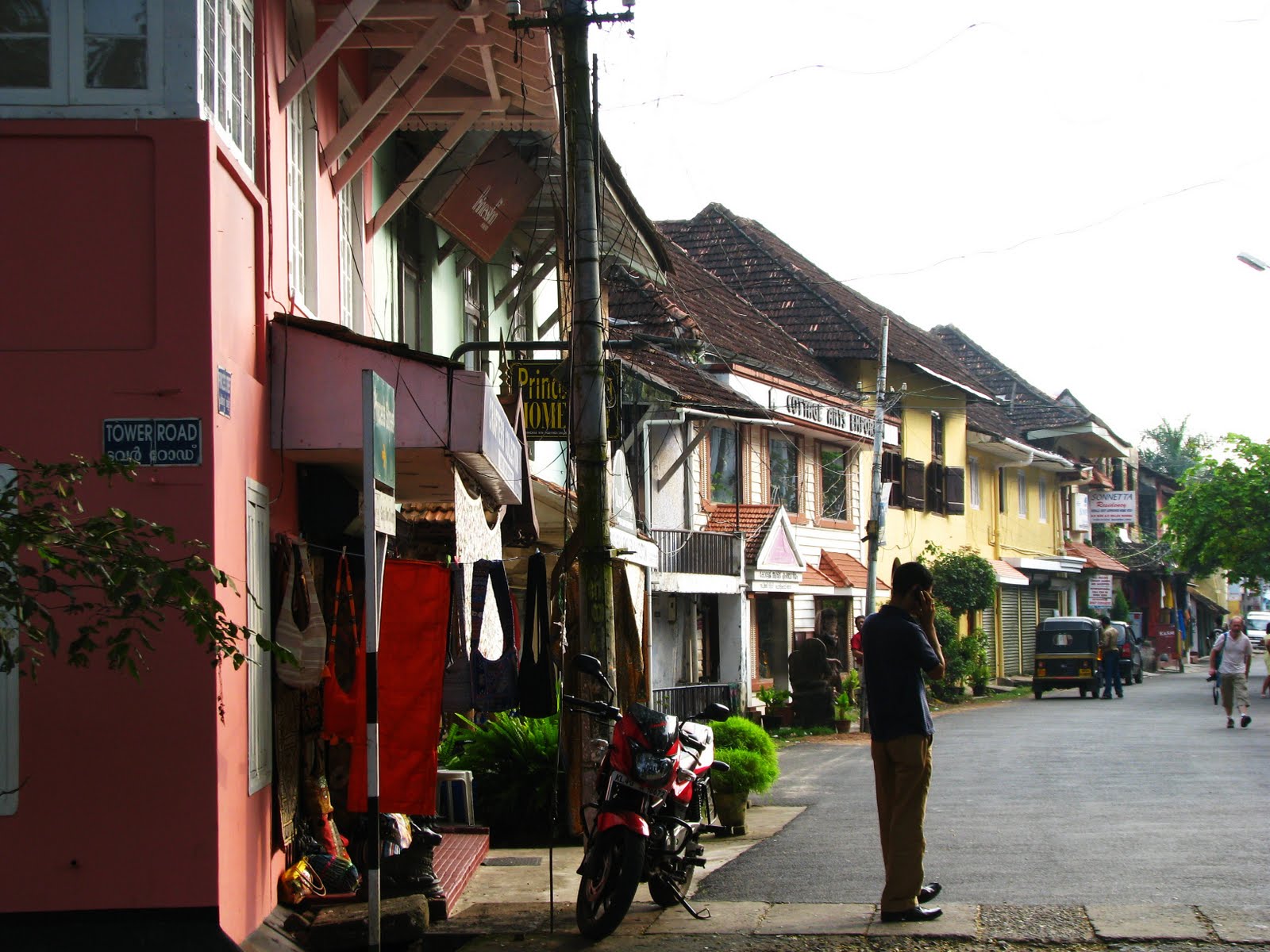
The goal is thoughtful curation, not clutter
Ideal wayfinding operates seamlessly—users navigate intuitively, unaware of the system behind it
댓글목록
등록된 댓글이 없습니다.
