
 광고상담문의
Managing Postural Dysphonia with Physiotherapy
페이지 정보
작성자 OL 작성일25-11-12 20:41 (수정:25-11-12 20:41)관련링크
본문
A vocal impairment rooted in posture, not in the larynx or vocal cords.
Tightness in the cervical and thoracic regions alters laryngeal positioning, compromising voice quality.
Individuals may experience hoarseness, vocal fatigue, or breathiness despite structurally healthy vocal cords.
Physiotherapy provides a holistic approach to reclaiming natural vocal function by realigning the body’s mechanics.
Before treatment begins, a detailed analysis of movement and posture is conducted.
A physiotherapist with experience in voice disorders will observe how you sit, stand, and speak.
Common indicators include protracted scapulae, chin jut, tight suboccipitals, and clenched mandible.
These patterns often develop over time due to prolonged sitting at desks, looking down at phones, or stress-related muscle guarding.
Many patients exhibit paradoxical breathing that fails to support phonation effectively.
Based on findings, a tailored intervention strategy is created to address individual biomechanical dysfunctions.
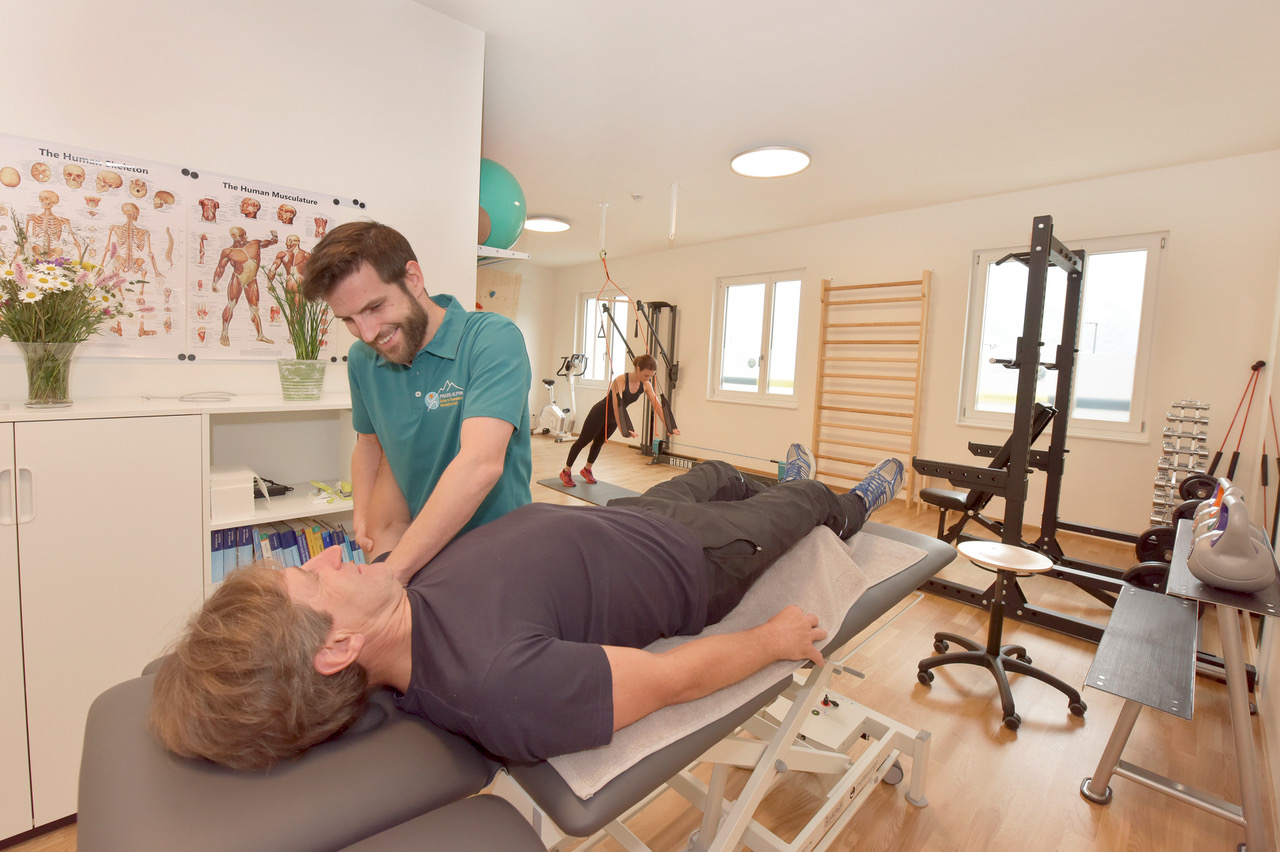
This typically includes manual therapy to release tight muscles in the neck, upper back, and jaw.
These methods help decompress the laryngeal complex and improve vocal fold mobility.
Gentle articulation of spinal segments enhances range and reduces neural tension.
Breathing retraining is another essential component.
Many people with postural dysphonia breathe primarily using their chest, which limits airflow and increases vocal effort.
Breath training emphasizes quiet, controlled inspiration and steady expiration.
Practicing sustained phonation on exhale improves breath-voice synchronization.
Postural re-education is central to long-term success.
Simple changes like sitting with the ears aligned over the shoulders, keeping the chest open, and avoiding cradling the phone between ear and Physiotherapie bei Erkältung shoulder can make a big difference.
Patients learn to recognize tension before it escalates into vocal strain.
Neck retractions, chin tucks, and scapular retractions are commonly prescribed.
Mental and physical well-being are treated as interconnected.
Anxiety-induced clenching directly impacts laryngeal function.
Patients are taught to notice jaw tightness, shoulder hiking, or shallow breathing as warning signals.
Patience and daily practice are non-negotiable for lasting results.
Short, frequent sessions are more effective than infrequent, intense ones.
Regular follow ups help track improvement and adjust the plan as needed.
Most patients report clearer, stronger, and more effortless speech over time.
Physiotherapy does not just treat the symptoms—it addresses the root cause by restoring balance and ease to the whole body.
Optimal vocal function emerges when tension is released and posture is supported
댓글목록
등록된 댓글이 없습니다.
