
 광고상담문의
How Color Shapes Visitor Behavior at Exhibitions
페이지 정보
작성자 WD 작성일25-12-04 00:20 (수정:25-12-04 00:20)관련링크
본문
The psychological impact of color profoundly influences human perception—and this is especially true in exhibition booth design. When visitors walk into a exhibition, their first impression is often shaped by the chromatic environment. A well-chosen chromatic strategy can command focus, foster trust, and even influence purchasing decisions. Understanding the science of color perception allows designers to craft booths that don’t just look good but also reinforce core messaging.
Red is a bold color that stimulates energy and urgency—it’s often used by brands that want to create excitement, such as those in food and beverage. A booth with pop-of-red details can make visitors feel more energized and may encourage them to ask questions. However, too much red can feel overwhelming, so it’s best used in small doses rather than a dominant hue.
Blue, on the other hand, conveys trust, calm, and professionalism—many finance companies use blue in their booth designs because it enhances perceived expertise. soft blues can feel gentle and welcoming, while deep indigo add a sense of authority and sophistication.
Green is associated with nature, growth, and balance. It’s ideal for eco-friendly brands. Green creates a tranquil space, making visitors feel comfortable and at ease. This can be especially useful in booths where long conversations are expected.
These hues spark joy, energy, and innovation. They’re great for creating a lively vibe and making a booth feel approachable and upbeat. These colors work well for brands targeting creative industries or promoting playful experiences. But like red, غرفه نمایشگاه they can be visually exhausting, so use as accents.
Purple often suggests luxury, imagination, and spirituality. It’s a popular choice for high-end fashion brands. Purple can create a sense of curiosity-driven appeal, making visitors engage more deeply. It’s less common than other colors, which can help a booth stand out in a crowded environment.
Minimalist base hues offer a clean, modern backdrop that lets other elements—like products—take center stage. They’re perfect for contemporary aesthetics or when the goal is to appear professional and serene. Neutrals also make it easier to transition between hues without overwhelming the senses.
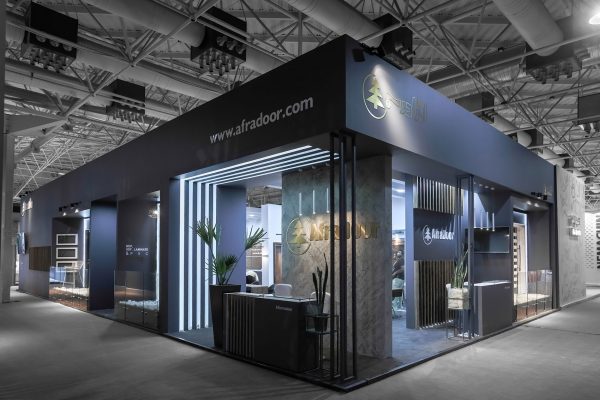
The most effective booth designs use color strategically, using a primary and secondary color to control emotional response. For example, a blue base with orange accents can create contrast without chaos, resulting in a dynamic yet stable impression. Lighting and materials also interact with color, so it’s important to test how colors appear under different lighting conditions.
Ultimately, psychological impact of chromatic design is not just about beauty—it’s about human behavior. Every color choice influences subconscious perception. By aligning those choices with the target audience and the behavioral goal, exhibitors can create environments that don’t just attract attention but also resonate deeply.
댓글목록
등록된 댓글이 없습니다.
