
 광고상담문의
Scary Record - Mount Everest Climbers Achieve Lowest Human Blood Oxyge…
페이지 정보
작성자 NY 작성일25-11-29 11:21 (수정:25-11-29 11:21)관련링크
본문
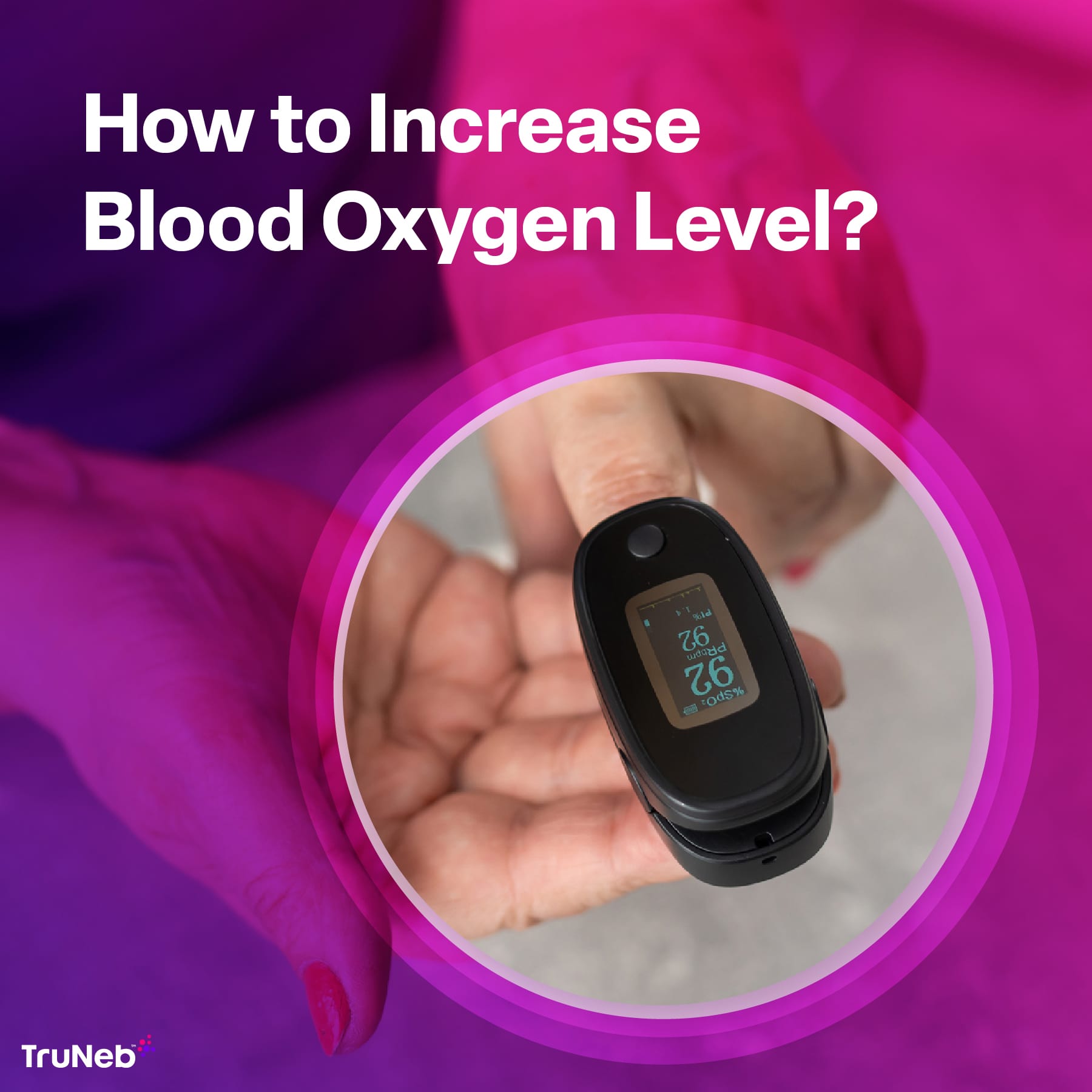
New England Journal of Medicine (NEJM), could ultimately help important care medical doctors to re-consider remedy strategies in some long-time period patients with equally low levels of blood oxygen. The Caudwell Xtreme Everest group of climbing doctors made the measurements by taking blood from leg arteries close to the summit of Mount Everest at 8,four hundred metres above sea-level. The crew climbed with oxygen tanks, then eliminated their masks 20 minutes prior BloodVitals test to testing to equilibrate their lungs with the low-oxygen atmosphere. The group were unable to make the measurement on the summit of Everest as situations were too extreme, with temperatures at minus 25 levels centrigrade and winds above 20 knots. Having descended a brief distance from the summit, the medical doctors eliminated their gloves, unzipped their down fits and drew blood from the femoral artery within the groin. Blood collected from 4 crew members was then carried back down the mountain to be analysed within two hours at a science laboratory set up on the team's camp at 6,400 metres on Everest. The purpose of the research was to ascertain what has long been suspected - that prime-altitude climbers have incredibly low ranges of oxygen in their blood, which at sea-degree would only be seen in patients close to loss of life. Based on calculations of the anticipated degree of oxygen within the blood, the authors also speculate that accumulation of fluid in the lungs as a result of the high altitude might have contributed to the low oxygen levels.
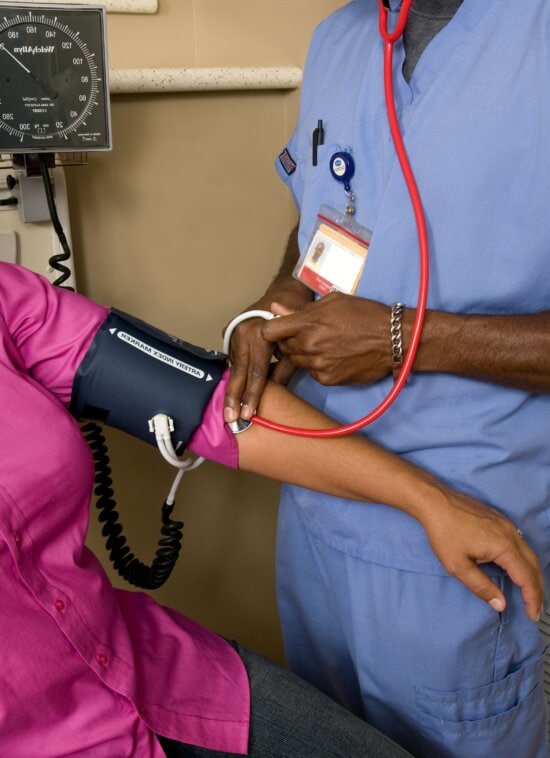
 Disclosure: The authors don't have any conflicts of curiosity to declare. Correspondence: Thomas MacDonald, Medicines Monitoring Unit and Hypertension Research Centre, Division of Medical Sciences, BloodVitals SPO2 University of Dundee, Ninewells Hospital & Medical School, Dundee DD1 9SY, UK. Hypertension is the commonest preventable cause of cardiovascular disease. Home blood pressure monitoring (HBPM) is a self-monitoring software that can be included into the care for patients with hypertension and BloodVitals test is recommended by major BloodVitals test tips. A growing physique of evidence helps the advantages of affected person HBPM compared with workplace-primarily based monitoring: these embrace improved control of BP, diagnosis of white-coat hypertension and prediction of cardiovascular danger. Furthermore, HBPM is cheaper and simpler to perform than 24-hour ambulatory BP monitoring (ABPM). All HBPM gadgets require validation, nevertheless, as inaccurate readings have been found in a excessive proportion of displays. New know-how options a longer inflatable space within the cuff that wraps all the way in which round the arm, growing the ‘acceptable range’ of placement and thus lowering the affect of cuff placement on studying accuracy, thereby overcoming the constraints of current units.
However, although the impact of BP on CV risk is supported by one among the best bodies of clinical trial data in medicine, few clinical studies have been devoted to the problem of BP measurement and its validity. Studies also lack consistency within the reporting of BP measurements and a few don't even present details on how BP monitoring was performed. This article aims to debate the advantages and BloodVitals test disadvantages of house BP monitoring (HBPM) and examines new expertise aimed at improving its accuracy. Office BP measurement is associated with several disadvantages.
댓글목록
등록된 댓글이 없습니다.
